
BMW B47 fault codes 253400, 278F00, 279100, 263200 – carbon buildup, swirl flaps and intake manifold as common causes
If a BMW with a B47 engine is in limp mode and the fault memory shows entries related to swirl flaps, the intake manifold, EGR, or the air system, there is often more behind it than just a single defective component. In our workshop, we very often see a heavily dirty or carbon-coated intake side on these engines. The intake manifold, swirl flaps, EGR system and intake ports are particularly common weak points when the engine goes into limp mode or loses noticeable power.
Especially on the BMW 20d with B47 engine, the combination of power loss, limp mode and fault codes related to swirl flaps and air-mass plausibility often points very clearly to a contaminated intake manifold or sluggish swirl flaps. In addition, follow-up faults in the EGR, air system or exhaust pressure sensor area are not uncommon.
Tip: Do you want to avoid waiting until major damage occurs?
Learn more here about preventive engine overhaul for BMW.
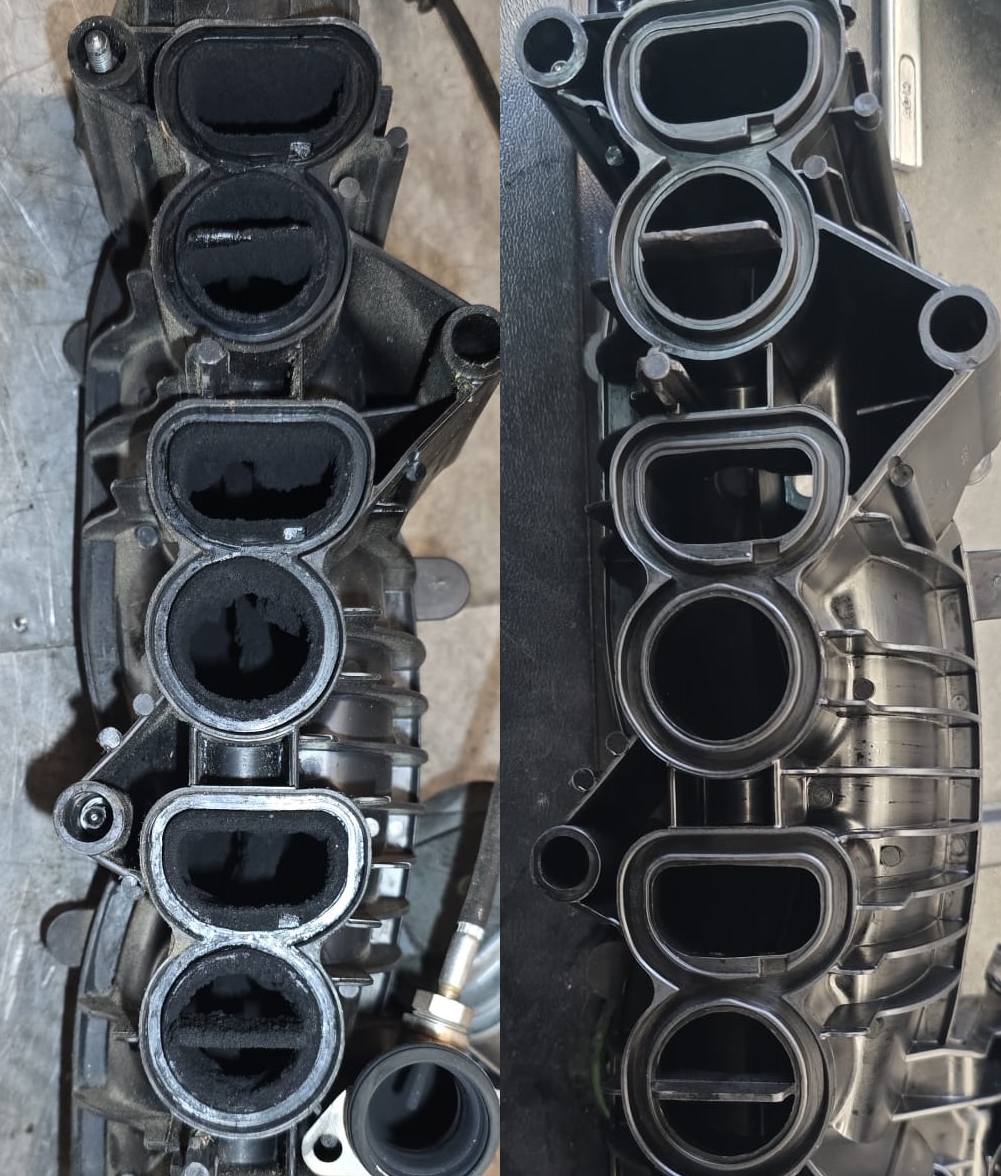
These fault codes on the B47 often indicate carbon buildup or swirl flap problems
If several of the following fault codes occur at the same time on the B47, the intake side should be inspected very carefully:
- 253400 – swirl flap / swirl flap actuator mechanical fault
- 278F00 – swirl flap / plausibility
- 279100 – swirl flap / plausibility
- 263200 – swirl flap actuator control interruption
- 290900 – air system plausibility
- 36F500 – EGR mass flow plausibility / major leakage
- 28DE00 – exhaust pressure sensor upstream of turbine implausible
These fault codes do not automatically mean that only a single actuator is defective. In many cases, the actual cause is severe carbon buildup or contamination in the intake tract. As a result, the swirl flaps no longer work properly, the mechanism becomes sluggish, airflow changes, and the engine control unit detects implausible values.
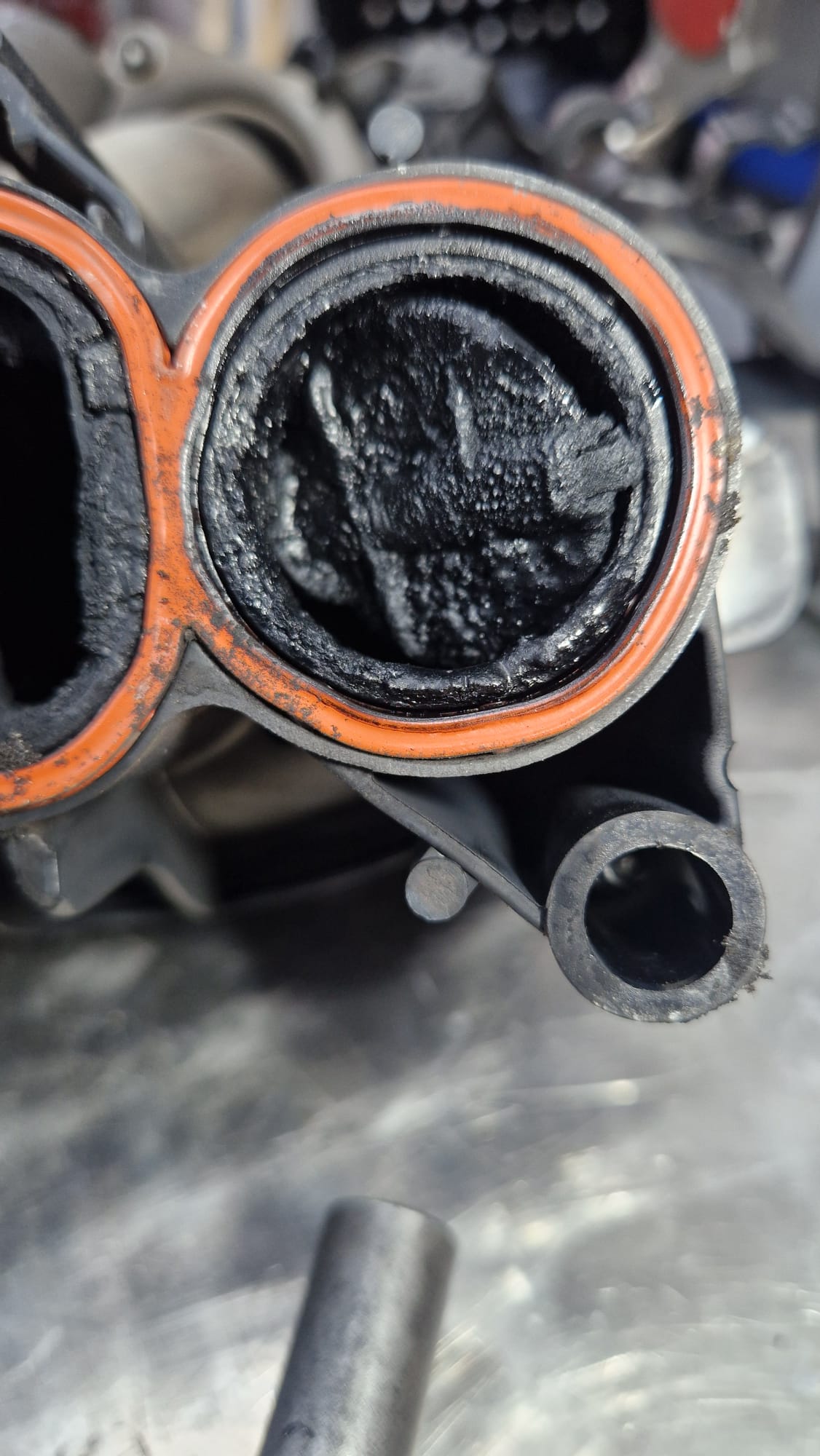
At the first signs, you should act and have the engine inspected to avoid costly consequential damage.
Why carbon buildup so often becomes a problem on the B47
In the B47 diesel engine, EGR recirculation, oil mist from the crankcase ventilation system and normal mileage gradually cause significant deposits in the intake system. These contaminants collect especially in the intake manifold, on the swirl flaps and in the intake ports.
The problem is that the more severe the carbon buildup becomes, the worse the air can flow. At the same time, the swirl flaps and their mechanism are placed under additional strain. This is exactly why typical combinations of limp mode, poor throttle response, power loss and several plausibility faults in the fault memory often occur.
What makes this particularly tricky is that some vehicles initially only show sporadic faults. Later, permanent fault entries, rough running or even a noticeable reduction in power are added. If the problem is ignored for too long, consequential damage can spread.
Cleaning of intake manifold, EGR and intake ports: often approx. 1,800–2,200 €
Additional costs may arise if swirl flap actuators, sensors or other components are defective.
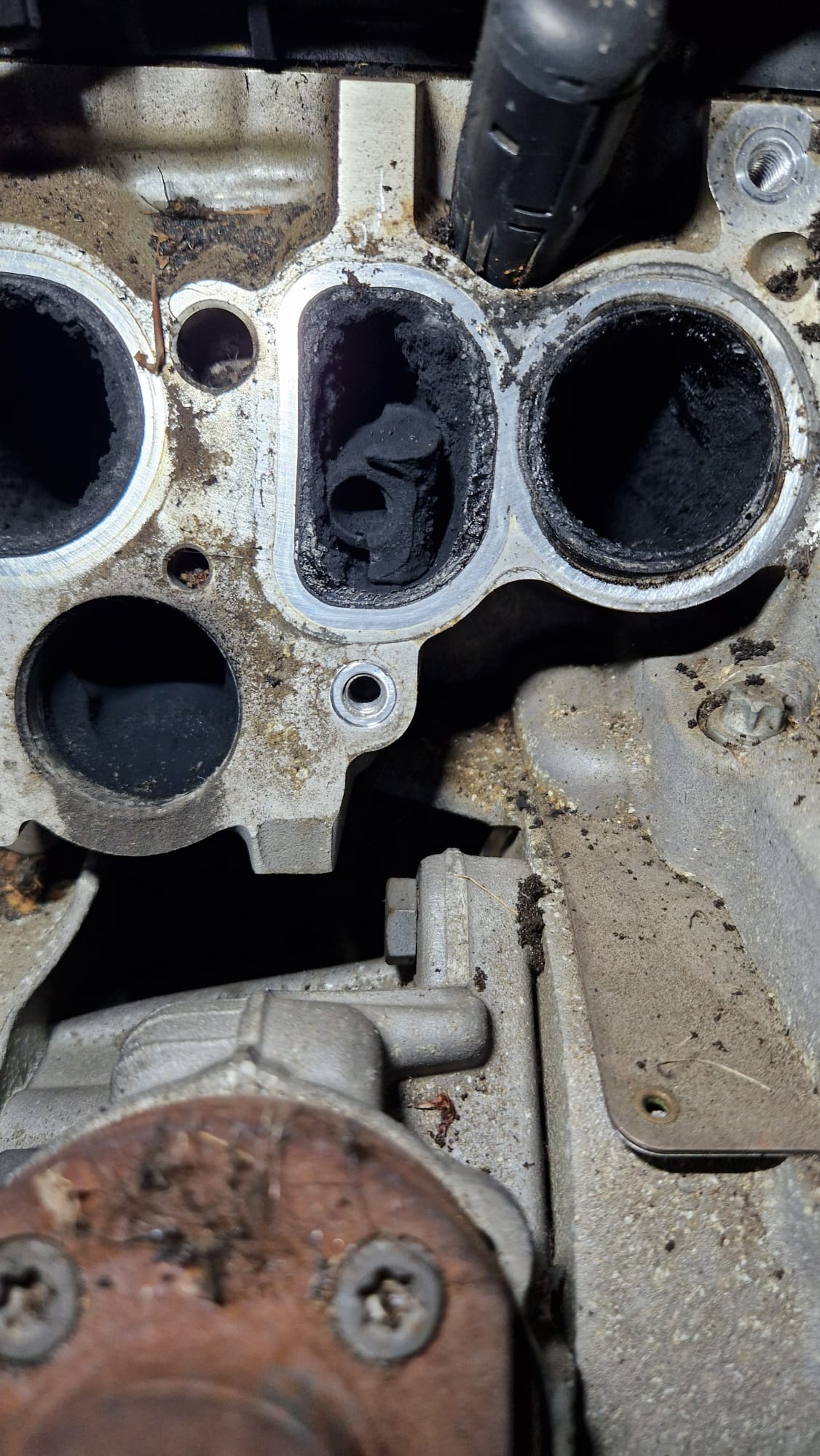
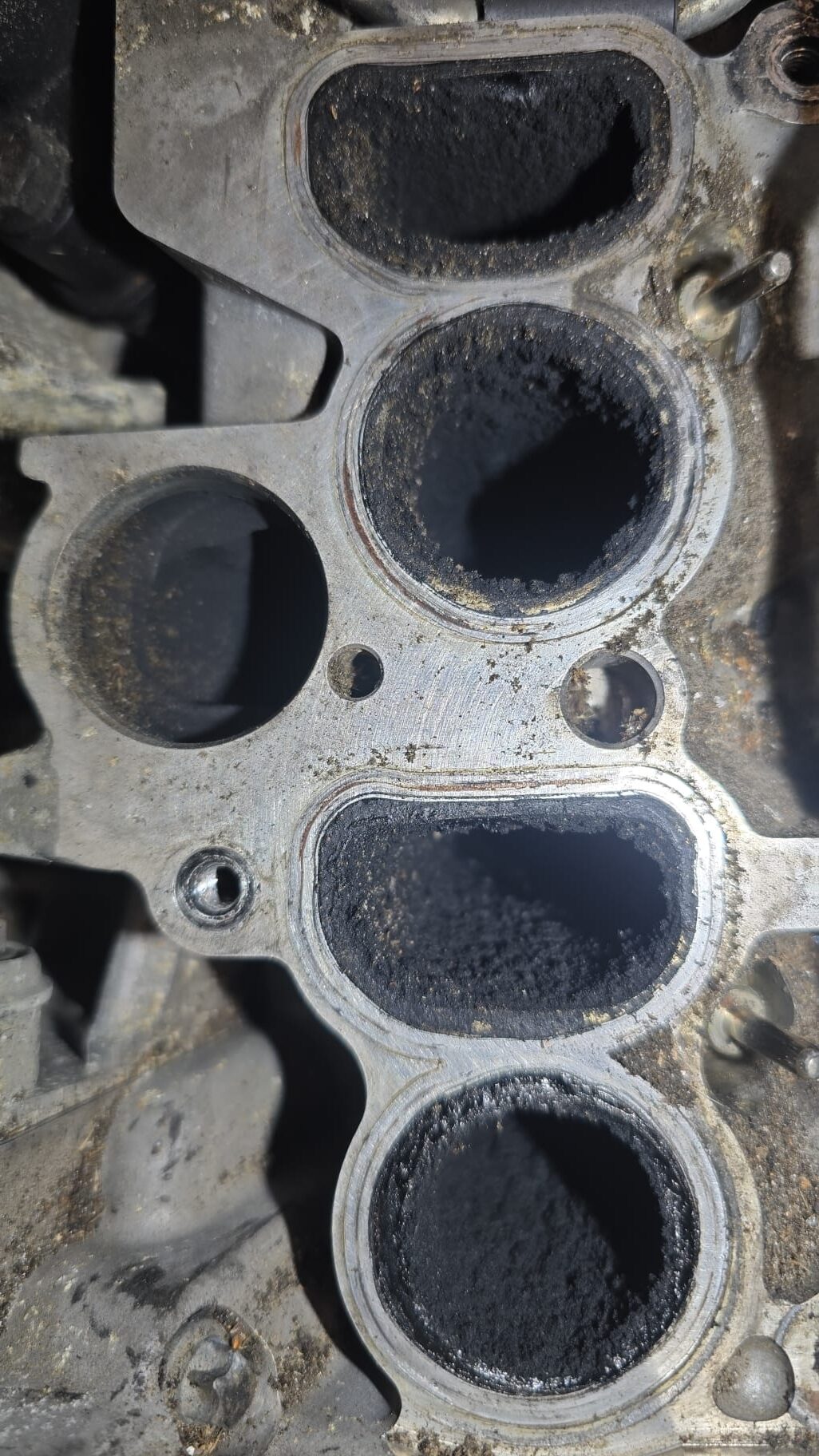
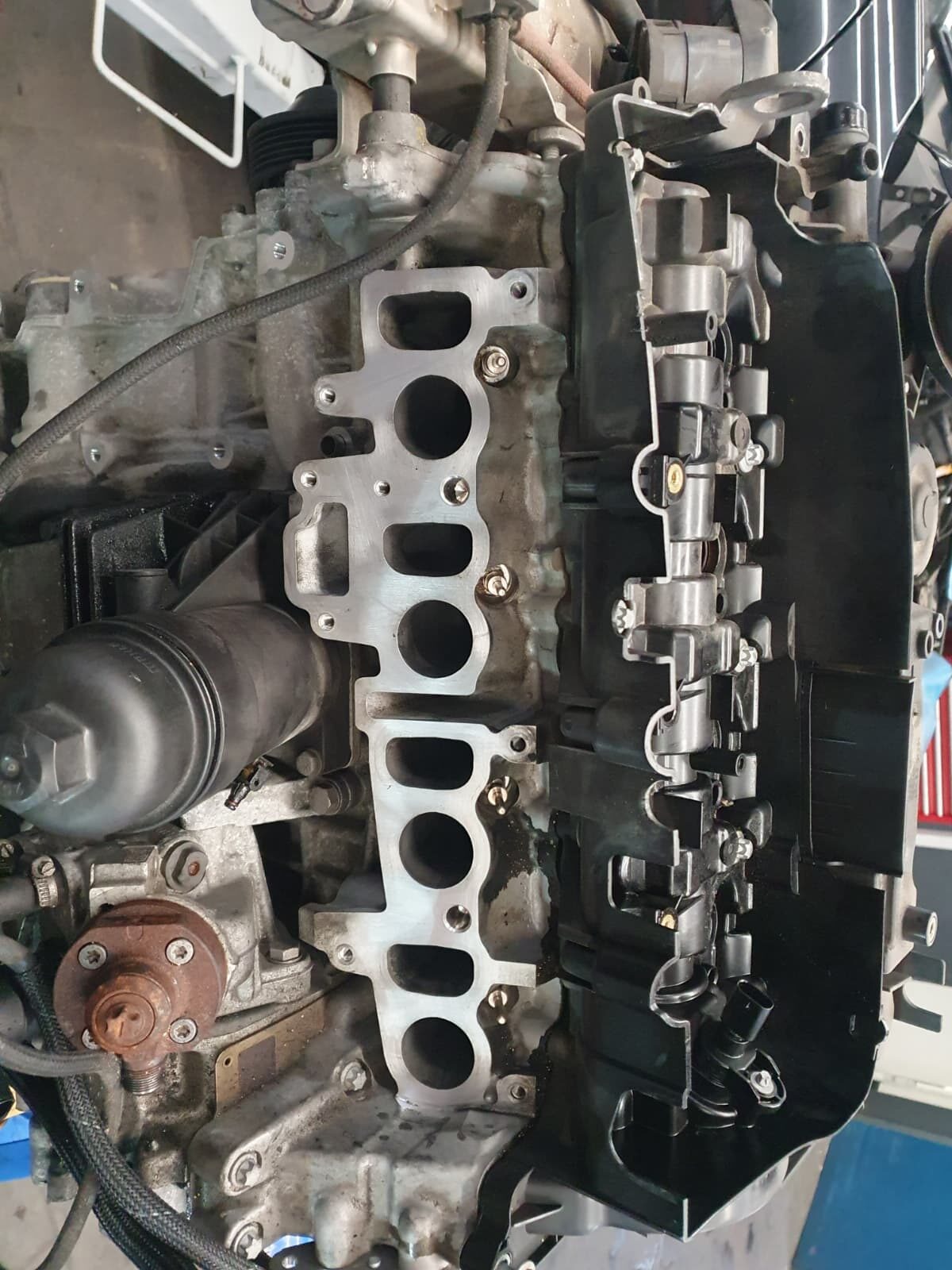
Typical symptoms of a dirty intake manifold and carbon-coated intake ports
The most common signs include:
- limp mode with reduced power
- weak acceleration
- sluggish throttle response
- rough engine running
- fault messages relating to swirl flaps, EGR or the air system
- blocked intake manifold
- heavy deposits in the intake ports
- follow-up faults in the area of air mass, EGR mass flow or exhaust pressure
Not every B47 shows all symptoms at the same time. That is exactly why a proper diagnosis is important. Anyone who only deletes a single fault code or replaces a part on suspicion often does not eliminate the cause permanently.
What we check and clean on the B47 in cases like this
In such cases, we do not simply replace a single component on suspicion. We check the overall condition of the intake and exhaust side and clearly determine the actual scope of repair. Depending on the findings, we typically carry out the following work:
- clean the intake manifold or replace it if necessary
- clean the EGR valve
- clean the intake ports using walnut blasting
- clean the DPF / particulate filter using a thermal process
- test the injectors on a test bench
- check the swirl flaps and swirl flap actuator
- assess exhaust backpressure and the turbocharger environment
This point is particularly important. Excessive backpressure in the exhaust system can cause further problems and, over time, also place strain on the turbocharger. That is why, in cases like this, not only the intake manifold should be checked, but the entire system.
Get in touch now!
Repair costs for B47 fault codes related to swirl flaps and carbon buildup
The rough cost range, depending on the level of contamination and the actual scope of repair, is often around 1,800 to 2,200 euros including materials, labor and VAT.
Depending on the condition of the vehicle, the following work may be included in this range, among other things:
- cleaning the intake manifold
- cleaning the EGR valve
- cleaning the intake ports by walnut blasting
- testing the injectors
- cleaning the DPF / particulate filter
Whether an additional swirl flap actuator, sensor or other component has to be replaced only becomes clear after inspection and diagnosis. That is exactly why a professional check is important before parts are replaced unnecessarily.
Why you should not continue driving too long with these fault codes
If the intake side is heavily contaminated and the swirl flaps no longer operate properly, it is often not just a simple comfort issue. The engine does not run correctly, airflow is no longer right, backpressure may increase and additional components are placed under strain. If you continue driving for too long, you risk unnecessarily higher repair costs and additional consequential damage.
Our recommendation is therefore clear: if fault codes such as 253400, 278F00, 279100, 263200, 290900, 36F500 or 28DE00 are stored and the vehicle is already in limp mode, the intake and exhaust side should be checked promptly.
Related topics about the B47
B47 turbocharger problems and possible consequential damage
Videos about typical B47 damage
In addition to a cracked cylinder bridge, there are other severe damage patterns on the B47. Here you can see two examples from practice:
Bent connecting rod / broken crankshaft after turbocharger damage
You can find Motorschmiede GmbH here
About us
[elementor-template id=”150929″]
FAQ about B47 fault codes
What do fault codes 278F00 and 279100 mean on the B47?
These fault codes often indicate problems with the swirl flap or the plausibility of its position. In practice, we often see a contaminated intake manifold, carbon-coated swirl flaps, or a sluggish or defective actuator.
Can carbon buildup on the B47 really trigger limp mode?
Yes, that happens regularly. If the intake manifold, EGR and intake ports are heavily contaminated, air quantities and flow conditions are no longer correct. This leads to plausibility faults, power loss and, in the worst case, limp mode.
Does walnut blasting help with a dirty B47?
Yes, especially with carbon-coated intake ports, walnut blasting is a proven method for removing deposits. Whether the intake manifold also needs to be cleaned or replaced depends on its actual condition.
Is the swirl flap actuator always defective with these fault codes?
No, not necessarily. The fault can also be triggered by heavy contamination, sluggish mechanics, or follow-up problems in the intake and exhaust system. That is why a proper inspection is always necessary before replacing parts.
What does cleaning on the B47 cost approximately?
Depending on the level of contamination and the scope of work, the rough cost range is often about 1,800 to 2,200 euros including materials, labor and VAT.
Should the turbocharger also be checked?
Yes, that makes sense. Excessive exhaust backpressure or problems in the DPF area can also place strain on the turbocharger. That is why the entire system should always be assessed in such cases.
BMW B47 in limp mode? Have the fault codes checked correctly now
If your BMW with B47 engine stores fault codes such as 253400, 278F00, 279100, 263200, 290900, 36F500 or 28DE00, the cause should be investigated specifically. Often it is not a minor issue, but a heavily contaminated intake side with problems in the intake manifold, swirl flaps, EGR and intake ports.
Contact us with your vehicle model, mileage and the fault codes read out. That way we can assess the case better and discuss with you which work makes sense.