
Recognizing B47 Injector Problems in BMW and MINI and Responding Correctly
The B47 is a 2.0-liter diesel engine from BMW that has replaced the N47 since 2014. Depending on the installation concept, a distinction is made between B47D for rear-wheel drive and B47C for front-wheel drive. The engine has been installed in numerous BMW and MINI models and further developed in several power stages.
Especially with injector problems, the B47 may initially appear relatively inconspicuous. Typical signs include rough engine running, smoke development, poor starting behavior or combustion noises. If you continue driving for too long, an initially limited injection problem can turn into a major engine failure. That is exactly why we rely on a clear procedure: first diagnosis, then a targeted offer for repair or – if necessary – an exchange engine.
Tip: Would you rather not wait until major damage occurs?
Here you can learn more about preventive engine overhauling for BMW.
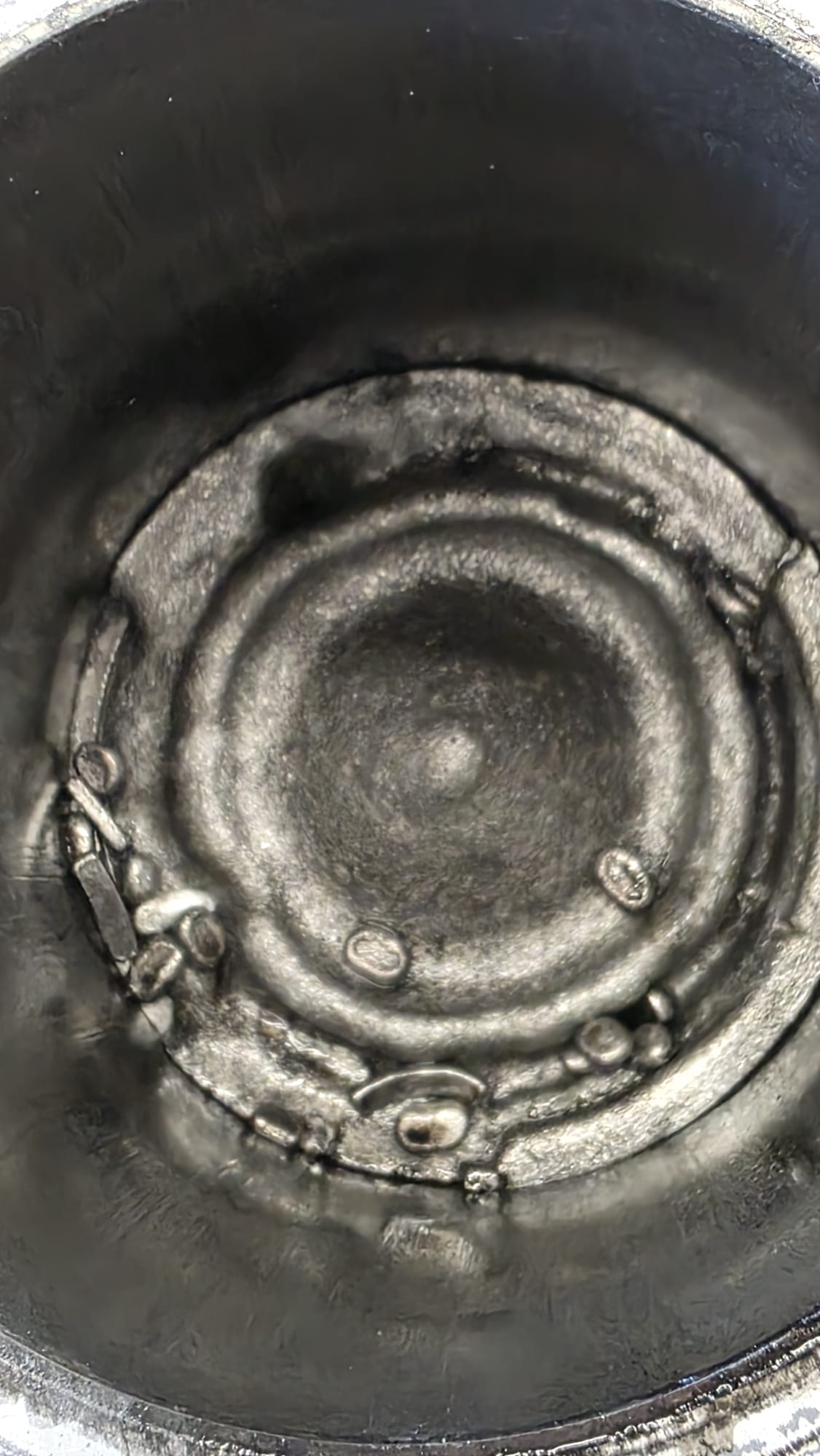
How can injector problems be identified on the B47?
Defective or incorrectly operating injectors can show up very differently on the B47. Some vehicles initially only stand out through a slightly rough idle, while others start poorly or already emit clearly visible smoke.
Typical signs include:
- rough engine running at idle or under load
- poor starting behavior, especially when cold or after being parked for a long time
- knocking, harsher combustion noises or noticeable tapping
- white, gray or black smoke
- loss of power or poor response
- fault messages in the engine control unit
- increased fuel consumption
- consequential damage to pistons, cylinder walls, DPF or, in the worst case, the engine block
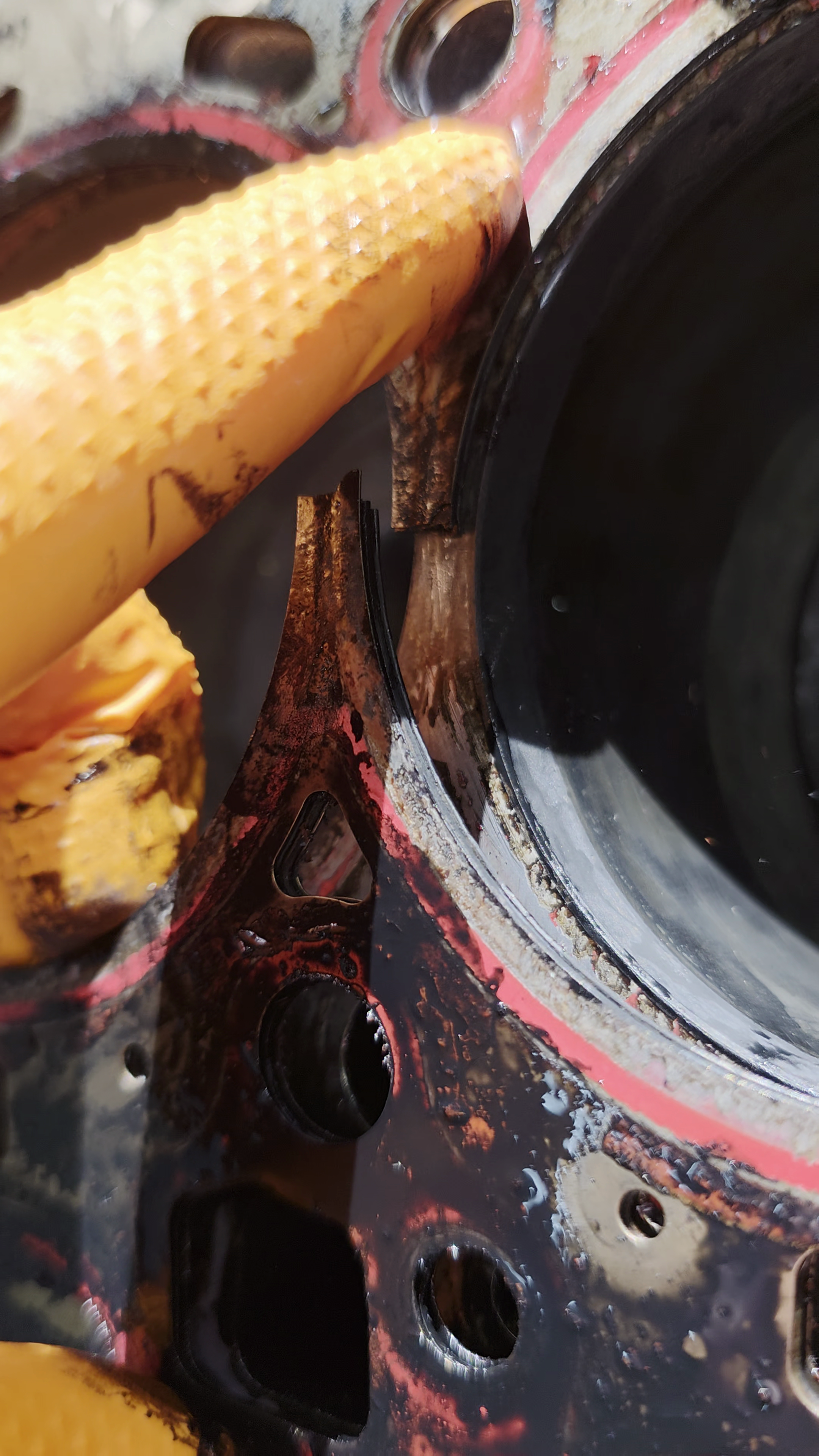
Especially with diesel engines, even poor atomization or a dripping injector is enough to severely impair combustion. This causes the thermal load in the combustion chamber to rise sharply. In the worst case, endoscopy already reveals scoring in the cylinder, a partially melted piston, or initial signs pointing to a cracked cylinder bridge.
At the first signs, you should act and have the engine checked to avoid expensive consequential damage.
Why injector problems on the B47 should be taken seriously
An injector problem is not just a comfort issue. If an injector no longer works properly, the fuel can no longer be burned correctly. Depending on the fault pattern, this leads to overheating, incomplete combustion, soot formation and, in the further course, serious consequential damage.
From practical experience, we know cases in which a B47 initially only showed slight shaking or smoke, and later a much larger amount of damage became apparent. This also fits your article about the 520d with piston damage or a hole in the piston:
BMW G31 520d engine failure: hole in piston / cracked cylinder bridge
One point is especially important to us: not every engine failure automatically means an exchange engine. In many cases, only after a proper diagnosis can a reliable decision be made as to whether repair makes sense and is economical.
First comes the diagnosis, then we discuss the findings and create a suitable offer for repair or – if necessary – for an exchange engine.
Because not every engine failure automatically means an exchange engine.
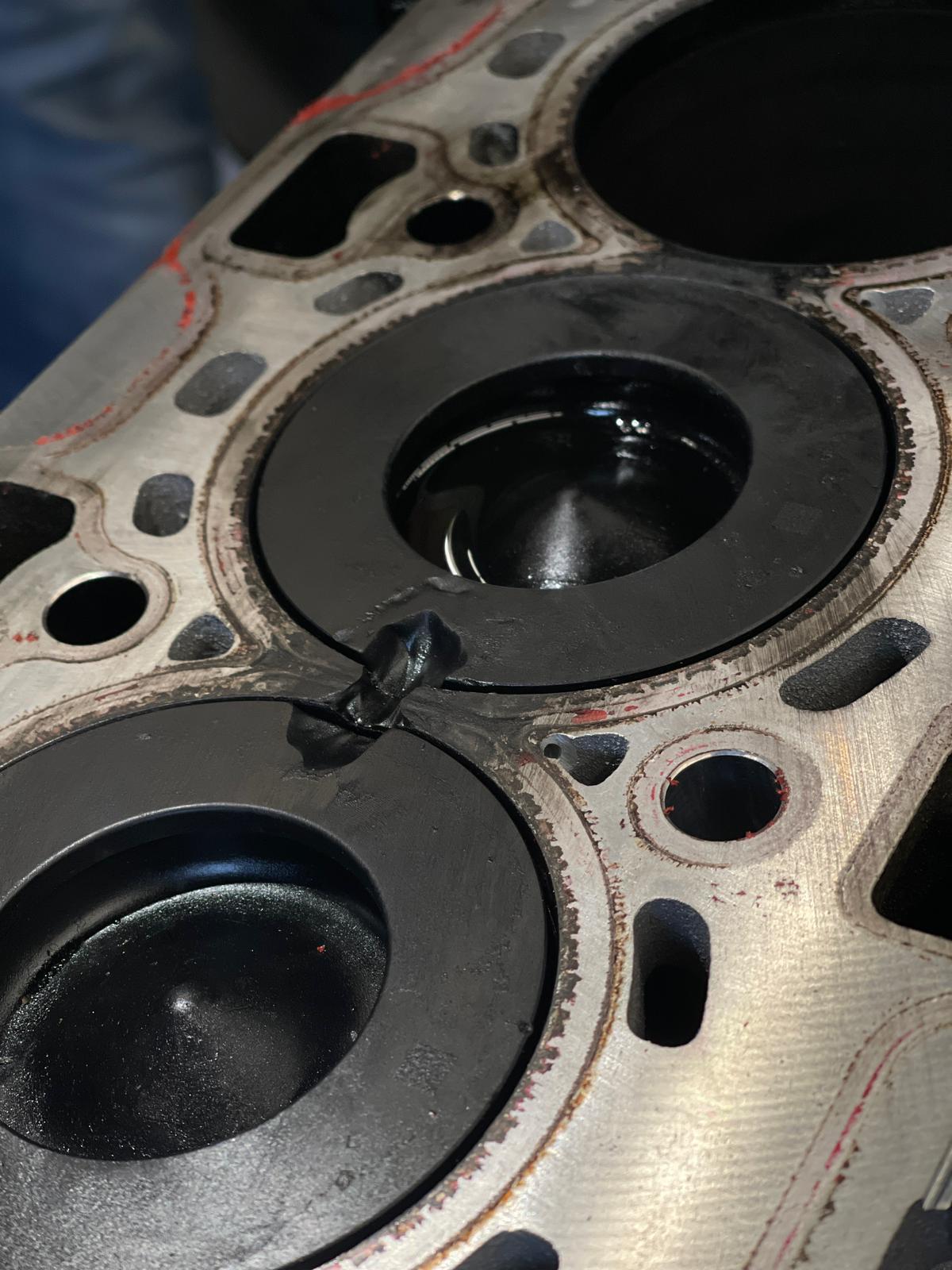
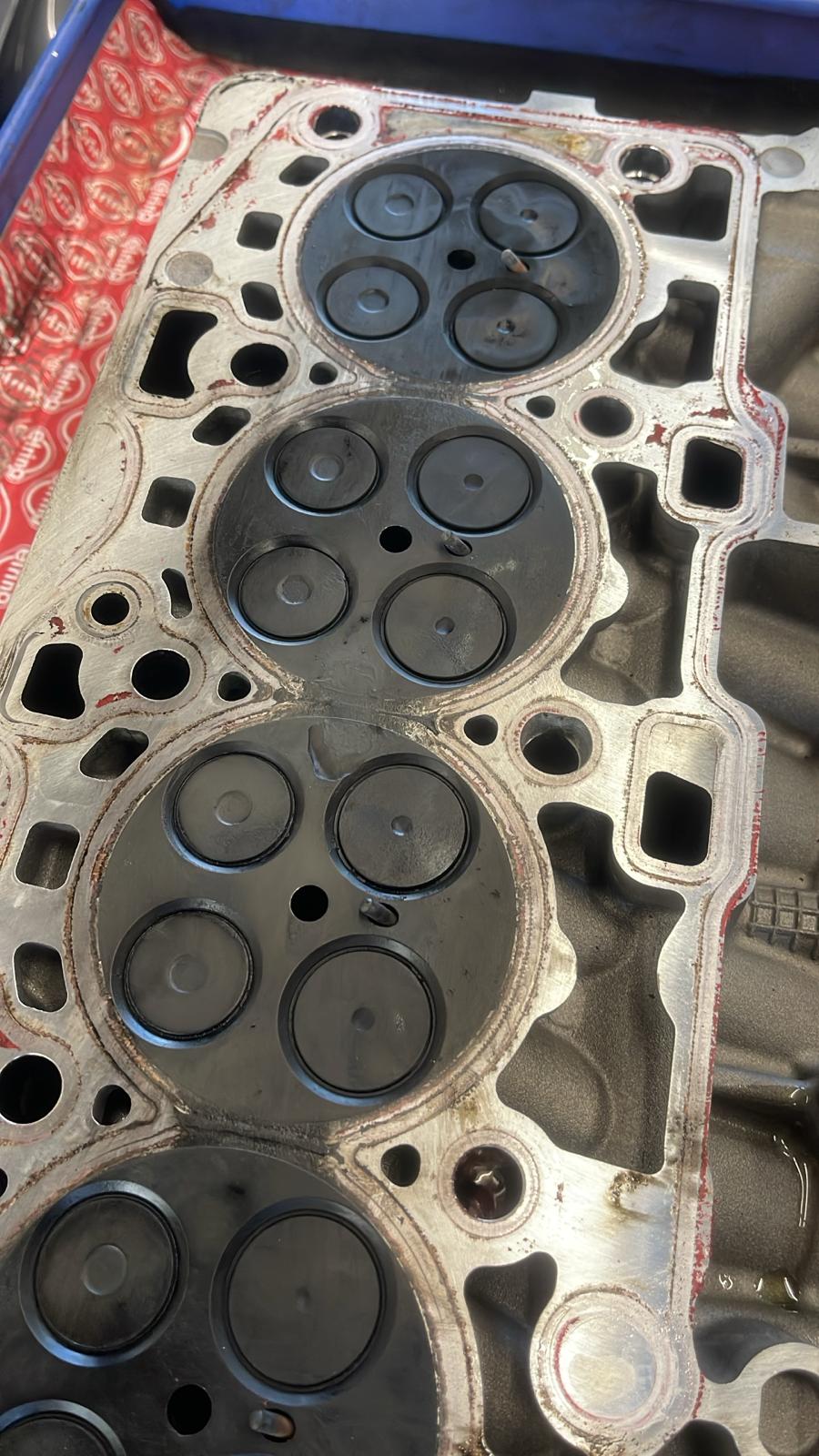
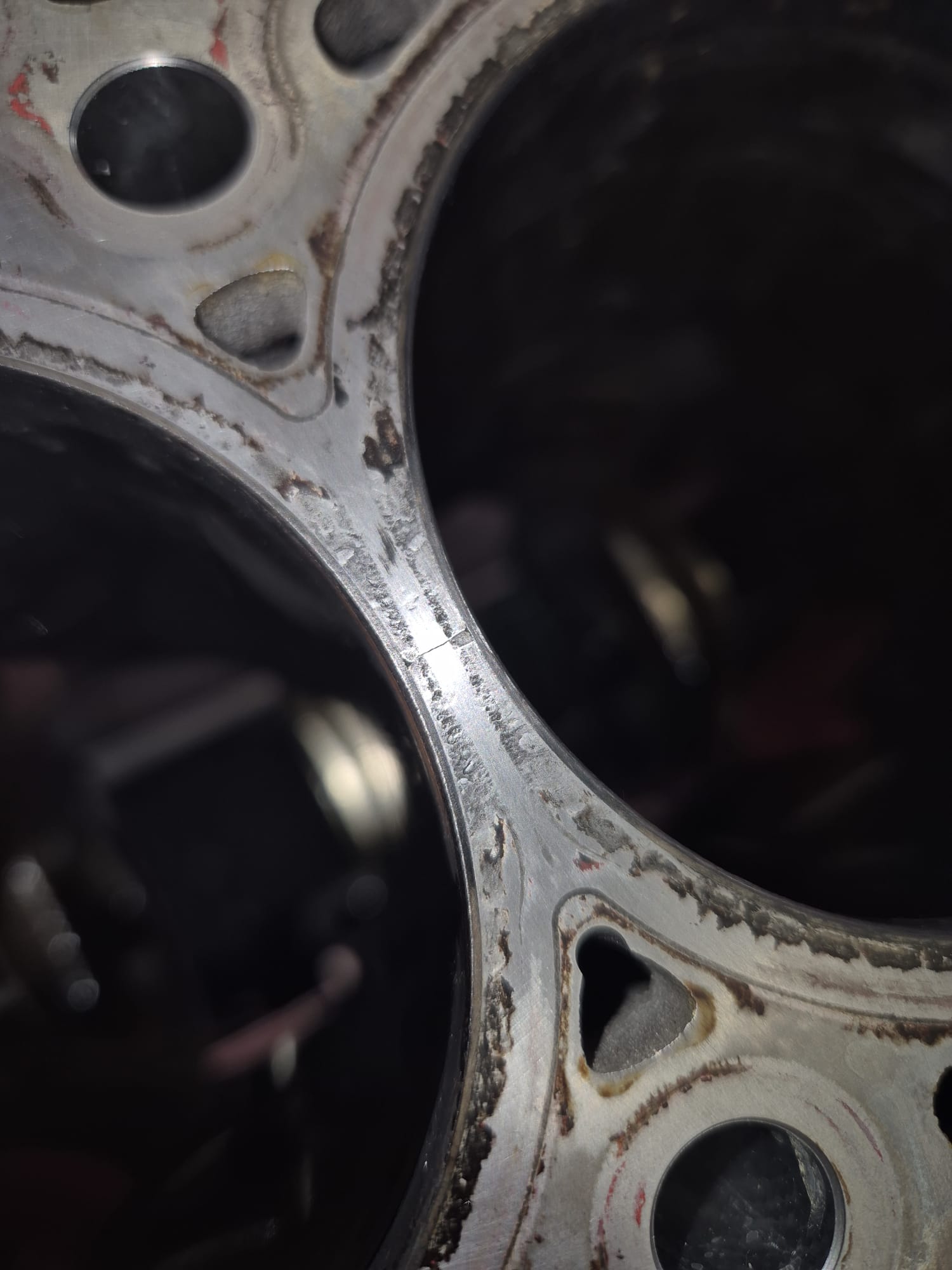
Our approach: first diagnosis, then the right solution
With B47 injector problems, we do not simply replace parts on a guess. We first inspect the engine carefully and determine how far the damage has already progressed.
Depending on the vehicle and the fault pattern, this includes among other things:
- evaluating fault memory and live data
- checking correction values and injection irregularities
- assessing engine running and combustion pattern
- endoscopy of the combustion chamber
- visual inspection for scoring, piston damage or initial signs of a cracked cylinder bridge
- depending on the case, further checks in the surrounding area
Endoscopy in particular often provides clarity very quickly in the case of injector problems. This often makes it possible to recognize early whether only the injection system is affected or whether damage has already occurred to the pistons, cylinder walls or engine block.
Only after this diagnosis do we discuss the findings with you and prepare a suitable offer based on the result. This keeps the repair transparent and matched to the actual damage.
Which repairs are possible on the B47
Not every B47 with injector problems needs an exchange engine immediately. The exact procedure always depends on what the diagnosis shows.
If the damage is detected early, depending on the findings it may be enough to inspect and specifically replace the affected injectors. The surrounding components must also be taken into account so that the cause does not simply remain and the damage does not recur.
If the engine already shows consequential damage, a more precise distinction is required. If, for example, pistons or cylinder walls are affected, an engine overhaul may still be worthwhile in certain cases. If the damage is too advanced or the block can no longer be properly saved, a remanufactured exchange engine is the last option.
That is exactly our motto: not every engine failure means an exchange engine immediately.
BMW B47 exchange engines from our shop.
Contact us now!
Why an early diagnosis can save a lot of money
Many customers only contact us once the engine is already smoking heavily, misfiring or barely running properly. Especially with the B47, that can be too late. An injector detected early is something completely different from an injector problem that has already affected the pistons, cylinders or DPF.
Those who react early can significantly improve the chances that the existing engine can still be repaired sensibly. Those who wait too long, on the other hand, risk a much larger scope of damage.
B47 variants and typical models
The B47 has been installed as a 2.0-liter four-cylinder diesel in many BMW and MINI models since 2014. In general, B47D usually stands for rear-wheel drive and B47C for front-wheel drive. Over the years there have been several power stages and technical revisions, including the B47TÜ1 update with higher injection pressure and AdBlue.
Common B47 variants that can be mentioned on such pages include:
- B47D20
- B47C20
- B47TÜ1 / technically revised versions
Typical BMW models with the B47 include, among others:
- BMW 1 Series: 116d, 118d, 120d, 125d
- BMW 2 Series: 218d, 220d, 223d, 225d as well as Active Tourer and Gran Tourer
- BMW 3 Series: 316d, 318d, 320d, 325d
- BMW 4 Series: 418d, 420d, 425d
- BMW 5 Series: 518d, 520d, 525d
- BMW 6 Series GT: 620d
- BMW 7 Series: 725d
- BMW X1: 18d, 20d, 25d
- BMW X2: 18d, 20d, 23d, 25d
- BMW X3: 18d, 20d, 25d
- BMW X4: 20d, 25d
- BMW X5: 25d
MINI models were also delivered with the B47, for example:
- MINI Cooper D Clubman
- MINI Cooper SD Clubman
- MINI Cooper D Countryman
- MINI Cooper SD Countryman
- MINI Cooper SD Hatch
Depending on the year of manufacture, model series and power stage, the exact engine specification must of course always be checked via VIN, key numbers or vehicle data. The broad use of the B47 in BMW and MINI models is well documented.
Related topics around the B47
B47 turbocharger problems and possible consequential damage
Videos about typical B47 damage
In addition to cracked cylinder bridges, there are other serious damage patterns on the B47. Here you can see two examples from practice:
Bent connecting rod / broken crankshaft after turbocharger damage
Why customers with B47 come to us
We specialize in BMW engines and know the typical damage patterns on the B47 not only from the fault memory, but from practical experience. Experience is especially important with injector problems, because similar symptoms can also have other causes. That is why a proper diagnosis is more important than replacing parts too quickly.
Our goal is not to sell the largest possible repair as quickly as possible. Our goal is to determine cleanly what is actually defective and which solution makes technical sense.
This is how it works with us
The process is intentionally kept clear so that it is transparent from the outset how we proceed.
First, send us your inquiry by email or contact form. Helpful information includes vehicle data, engine code, fault description, any fault codes available and as much information as possible about how the engine behaves.
We then arrange an appointment. Depending on the case, you bring the vehicle to us or we clarify whether delivery or collection can be organized.
Then the diagnosis follows. Especially with injector problems, this is the most important step because it often quickly shows whether only the injection system is affected or whether a larger engine failure has already occurred.
After the diagnosis, we hold a clarifying conversation with you. We discuss the findings, the sensible options and the next steps.
Only then does the repair take place or – if really necessary – the planning of an exchange engine. Once completed, the vehicle is handed over accordingly.
Here you will find Motorschmiede GmbH
About Us
[elementor-template id=”150929″]
FAQ on B47 Injector Problems
How can defective injectors on the B47 be identified?
Typical signs are rough engine running, smoke development, poor starting behavior, knocking, loss of power or noticeable values in the fault memory. Depending on the damage pattern, the symptoms may initially still be relatively inconspicuous.
Can a defective injector on the B47 cause engine damage?
Yes. If an injector drips or does not atomize properly, this can lead to incorrect combustion and high thermal load. In the worst case, piston damage, scoring in the cylinder wall or greater engine damage can occur.
Do all injectors always need to be replaced in the event of injector problems?
Not automatically. It depends on the specific findings. That is why we first check the engine and the injection system before making a reliable recommendation.
Why is endoscopy useful on the B47?
Because it often quickly shows whether consequential damage is already present in the combustion chamber. Especially with injector problems, endoscopy can provide clues about scoring, melted pistons or early damage to the block.
Does a B47 with injector problems need an exchange engine right away?
No. Not every engine failure means an exchange engine immediately. In many cases, only after the diagnosis can it be properly assessed whether a repair or overhaul is still sensibly possible.
How does an inquiry with you work?
You first send us an inquiry with the vehicle data and the fault description. We then arrange an appointment for diagnosis. After that, we discuss the findings with you and prepare a suitable offer for the repair or, if necessary, for an exchange engine.
Conclusion
If a B47 smokes, misfires, starts poorly or makes noticeable combustion noises, injectors should definitely be checked as a possible cause. Because what appears to be a small injection problem can quickly turn into a much larger amount of damage.
However, the decisive question is not only whether an injector is defective. What matters is whether the engine itself has already suffered consequential damage. That is exactly why we rely on a clear and honest process: first diagnosis, then the right solution.